This past year has taught me a lot about my body, my nervous system, and what it means to live with a chronic illness you can’t always see.
A year ago, I didn’t have a name for why I was so tired. Why standing could make me dizzy, why a shower could feel like a workout, or why some days getting dressed felt like the only thing I could manage.
After a year of endless appointments, unanswered questions, months of blood work, and one of the worst experiences of my life -a tilt table test- I’m finally beginning to understand myself. I’m learning to listen to a body that doesn’t always cooperate, and to give it the patience and care it has been asking for.
POTS affects much more than standing. I’ve had to find different ways to exercise, learn to listen to my nervous system, and accept that managing it is more complicated than simply “drink more water and eat more salt.”
And the fatigue can be life-draining.
Not just “I’m tired,” but having things I want to do and realizing I don’t have the energy to do them.
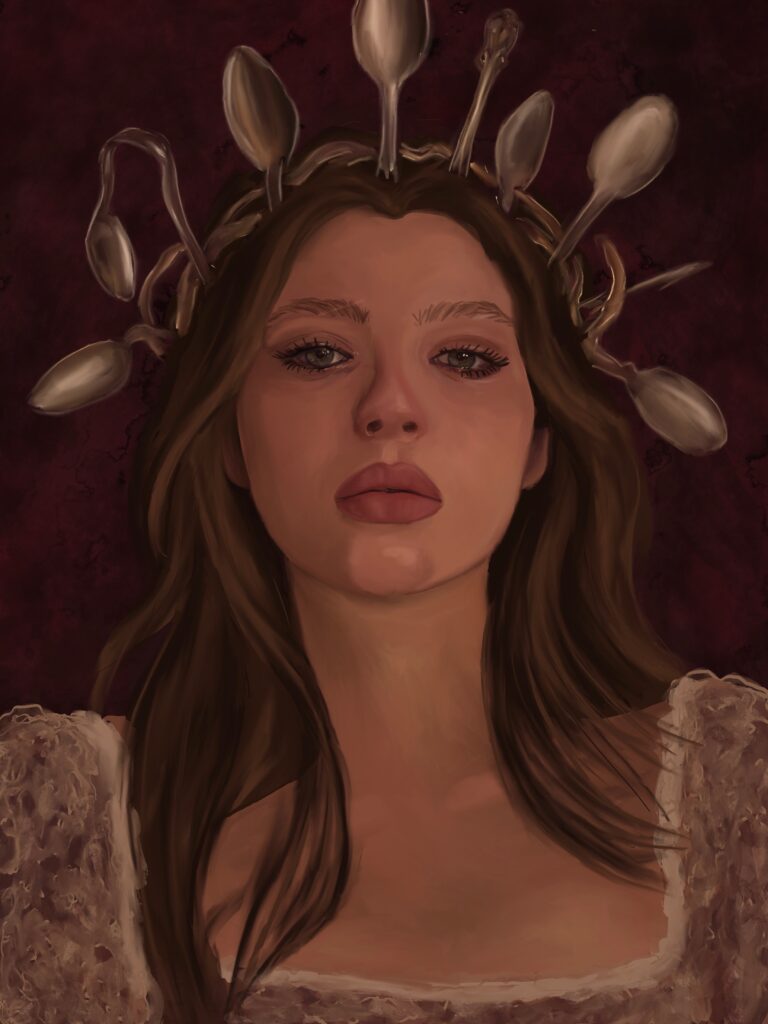
Spoon theory has helped me put words to that.
Imagine waking up with a limited number of spoons representing your energy for the day. Every task costs some: getting ready, driving, working, exercising, showering, cooking – even standing.
Some days I have enough spoons. Some days I wake up already missing a few. And you can’t always tell by looking at someone how many they have left.
I’ve learned that sometimes strength means pushing through, and sometimes it means laying down, resting, asking for help, or finding another way.
Chronic illness hasn’t made me less ambitious, creative, active, or myself. It has just taught me to be more intentional with the energy I have.
I’m not doing nothing. I’m listening to my body.
If you’re living with an invisible illness too, having fewer spoons doesn’t make you lazy or weak.
You’re just working with the spoons you have.